Watches: luxury buying guide
Fashion-house and fine watches — movements, materials, and how the great couture houses approach watchmaking.
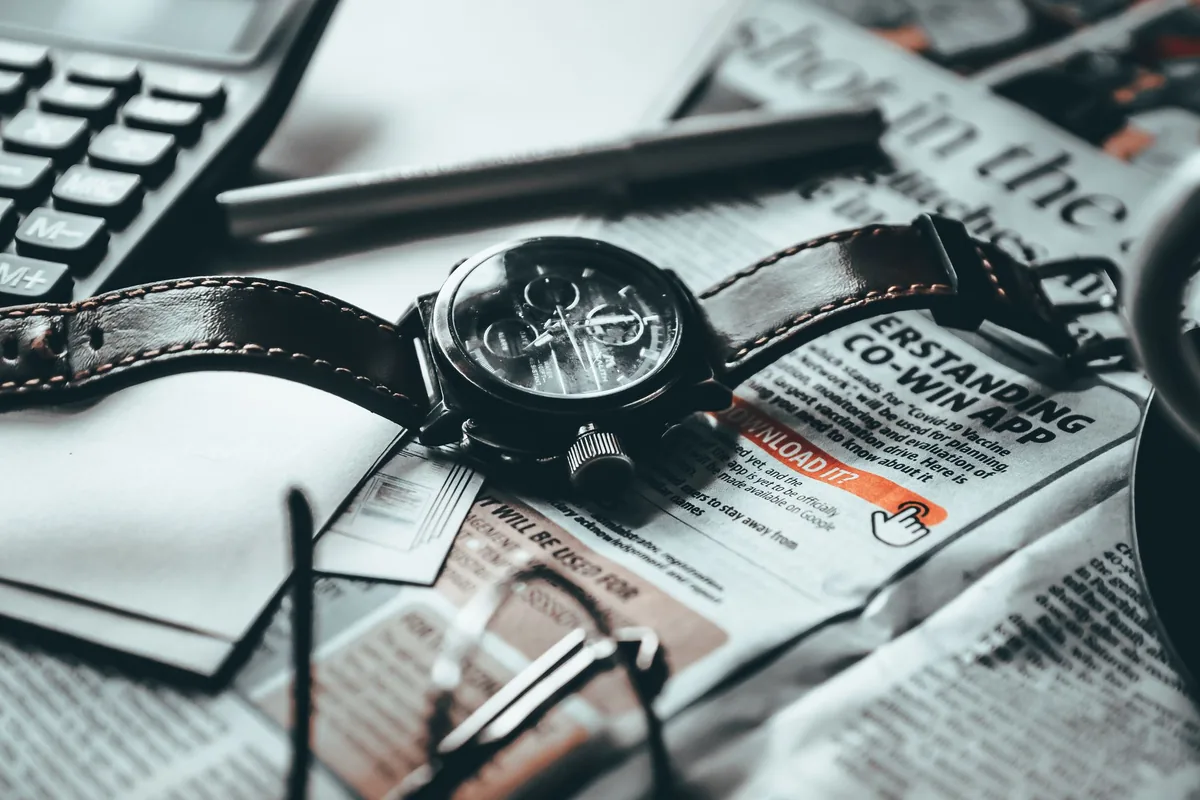
A luxury watch is fundamentally a machine, and understanding its movement—the engine that powers it—is essential to evaluating any timepiece. Watches are driven by either quartz (battery-powered, precise and low-maintenance) or mechanical movements (powered by a wound spring, requiring regular servicing but prized for craftsmanship). Within mechanical watches, automatic movements wind themselves through the wearer's arm motion, while manual movements require deliberate winding. Many fashion houses, including Giorgio Armani, Hermès, and Louis Vuitton, produce watches across this spectrum, from accessible quartz pieces to ambitious mechanical watches. The type of movement determines not only how the watch functions but also its price trajectory, longevity, and the level of technical expertise involved in its creation.
The case material and construction quality reveal much about a watch's durability and aesthetic ambition. Stainless steel remains the standard for robust, everyday wear; precious metals such as gold and platinum signal higher price points and formality. The case back—whether transparent (allowing visibility of the movement) or solid—affects both the watch's water resistance and visual presentation. Complications, the term for functions beyond basic timekeeping, range from simple date windows to chronographs, moon phases, and perpetual calendars. A genuine luxury watch should have a solid construction feel, legible dial design, and appropriately finished components visible through the case back.
Purchasing a luxury watch safely requires verification of authenticity and condition. Authorized retailers and established auction houses provide transparent provenance, though independent dealers and vintage specialists can offer legitimate pieces when their credentials are sound. Understanding the specific house's watchmaking heritage, warranty terms, and service availability—particularly for mechanical pieces requiring periodic maintenance—protects the investment long after purchase. A thoughtful buyer examines the watch in person, confirms its movement type and case material, and ensures confidence in the seller before committing.
Luxury brands known for watches
This guide is general editorial information, not financial or purchasing advice. We are not affiliated with the brands listed. Always buy from authorised retailers or authenticated resale — see our authentication guide.
Frequently asked questions
What should I look for when buying watches?
Focus on materials and construction quality, the maker's heritage in the category, and buying through authorised retailers or authenticated resale.
How do I avoid counterfeits?
Buy from the brand's own boutiques and authorised retailers, or from resale marketplaces that professionally authenticate every item. See our <a href='/authentication/'>authentication guide</a>.
Compare the houses
Founded, country, owning group, signature, and price tier — side by side.
Compare luxury brands →